I Tested 5 Cordless Vacuums Under $200 — Only One Was Actually Worth Keeping
After my "premium" vacuum died 14 months in, I spent six weeks testing the alternatives. The results surprised me.

Two years ago, I did what every "smart shopper" does when their old vacuum starts coughing up more dust than it picks up: I went out and bought the most expensive cordless vacuum I could find.
You know the one. The British brand. The one with the laser light. The one that costs more than my first car payment and gets reviewed by tech YouTubers like it's the iPhone of vacuums.
I told myself I was "investing in quality." That paying $700 for a vacuum was actually cheaper in the long run, because it would last forever.
It did not last forever.
Fourteen months in — exactly two months past the warranty — the battery started dying after seven minutes of use. Then five. Then two. A replacement battery from the manufacturer? $109. Plus shipping.
That's when I got mad. Not just at the brand. At myself, for believing the marketing.
So I did something I should have done in the first place. I spent six weeks testing every cordless vacuum I could get my hands on under $200 — to see if any of them could actually replace a "premium" machine without the premium heartbreak.
What I found shocked me.
Why I finally got fed up
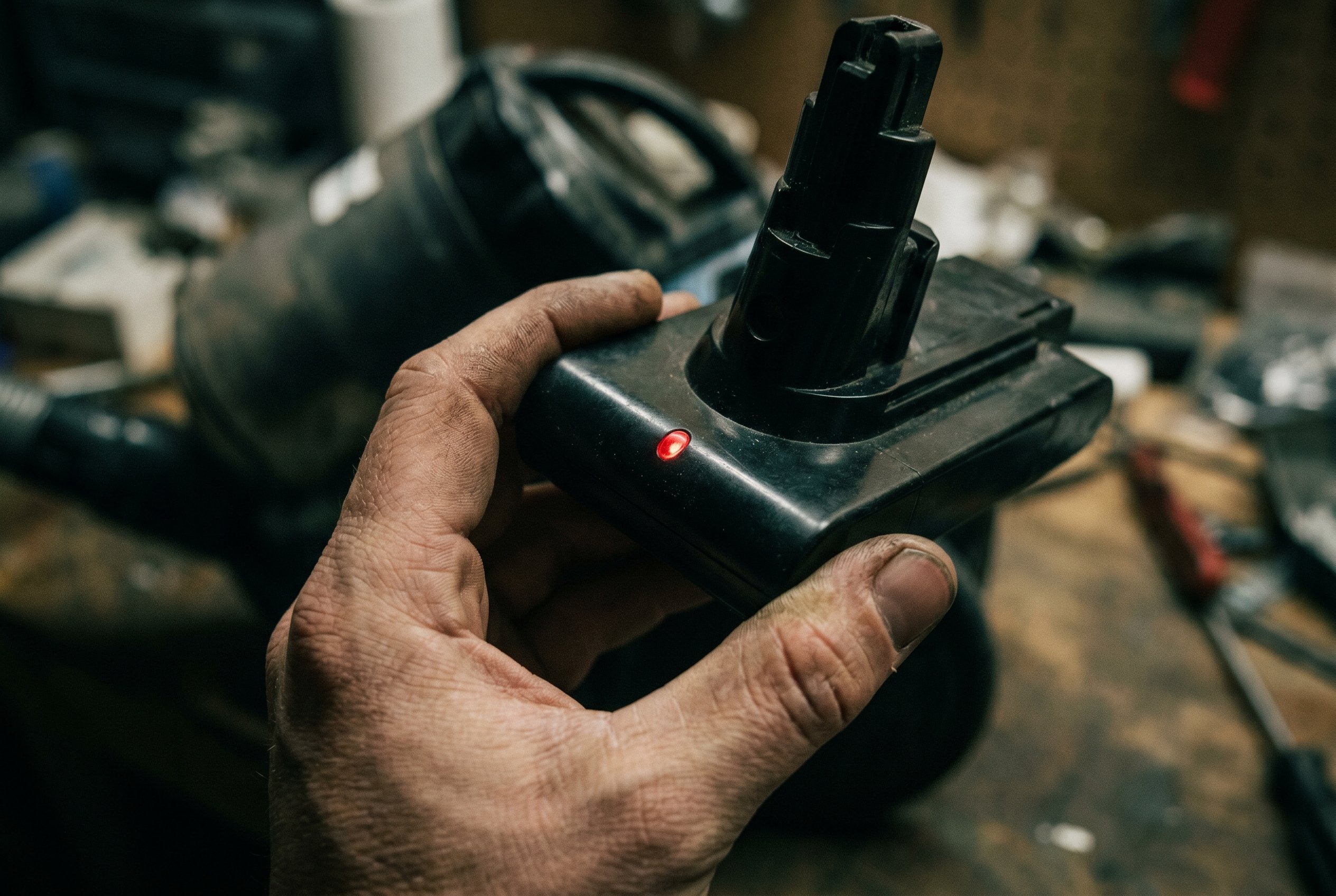
Here's the thing nobody tells you about expensive cordless vacuums: the suction is real. The engineering, on launch day, is genuinely impressive. But there's a quiet trade-off the marketing teams don't put on the box.
Most premium cordless vacuums are designed to be replaced every 2–3 years.
The batteries are proprietary. The parts are glued together, not screwed. The replacements cost so much that by the time your second battery dies, you might as well buy a new vacuum.
I'm not the only one who's noticed. There's a whole subreddit where people post photos of their $600 vacuums held together with duct tape. There are Trustpilot pages with thousands of 1-star reviews complaining about the same thing: works great for a year, then falls apart, and customer service won't help.
But the worst part wasn't even the cost. It was the weight.
My old "premium" vacuum was top-heavy. The motor sat right at the handle, which meant every time I tried to clean above my head — fan blades, the tops of cabinets, that one cobweb in the corner — my arm started shaking after about 30 seconds.
I'm 38. My mom is 67. She tried to use my vacuum once and handed it back to me after one room. "I can't," she said. "It's too heavy."
That's when I realized: I'd spent $700 on a vacuum my own mother couldn't use.
How I tested
I'm not a product reviewer. I'm a regular person with a real house, two kids, a shedding dog, and zero patience for gimmicks. So I kept the testing simple.
I bought five cordless vacuums — all under $200 — and ran each one through the same five tests:
- Cereal on hardwood (the "morning crime scene")
- Pet hair on a medium-pile rug (the "shedding test")
- Fine flour dust on tile (the "bake day disaster")
- A full set of stairs (the "back-killer test")
- Edge cleaning along baseboards (the "do you actually reach the dirt?" test)
I also tracked: total weight, runtime on a single charge, how easy each one was to empty, and what happened to the battery after 30 days of daily use.
Here's how they ranked, from worst to best.
The $69 Amazon Special
I'll keep this short, because so did its battery life.
This was the cheapest cordless vacuum I could find with at least 4 stars. It looked the part. It even had decent suction — for about 8 minutes. After that, the battery indicator started blinking, the brushroll slowed down, and the whole thing felt like it was begging me to stop.
It also clogged on the cereal test within 30 seconds. I had to take a chopstick to it.
The Big-Box Brand Cordless ($149)
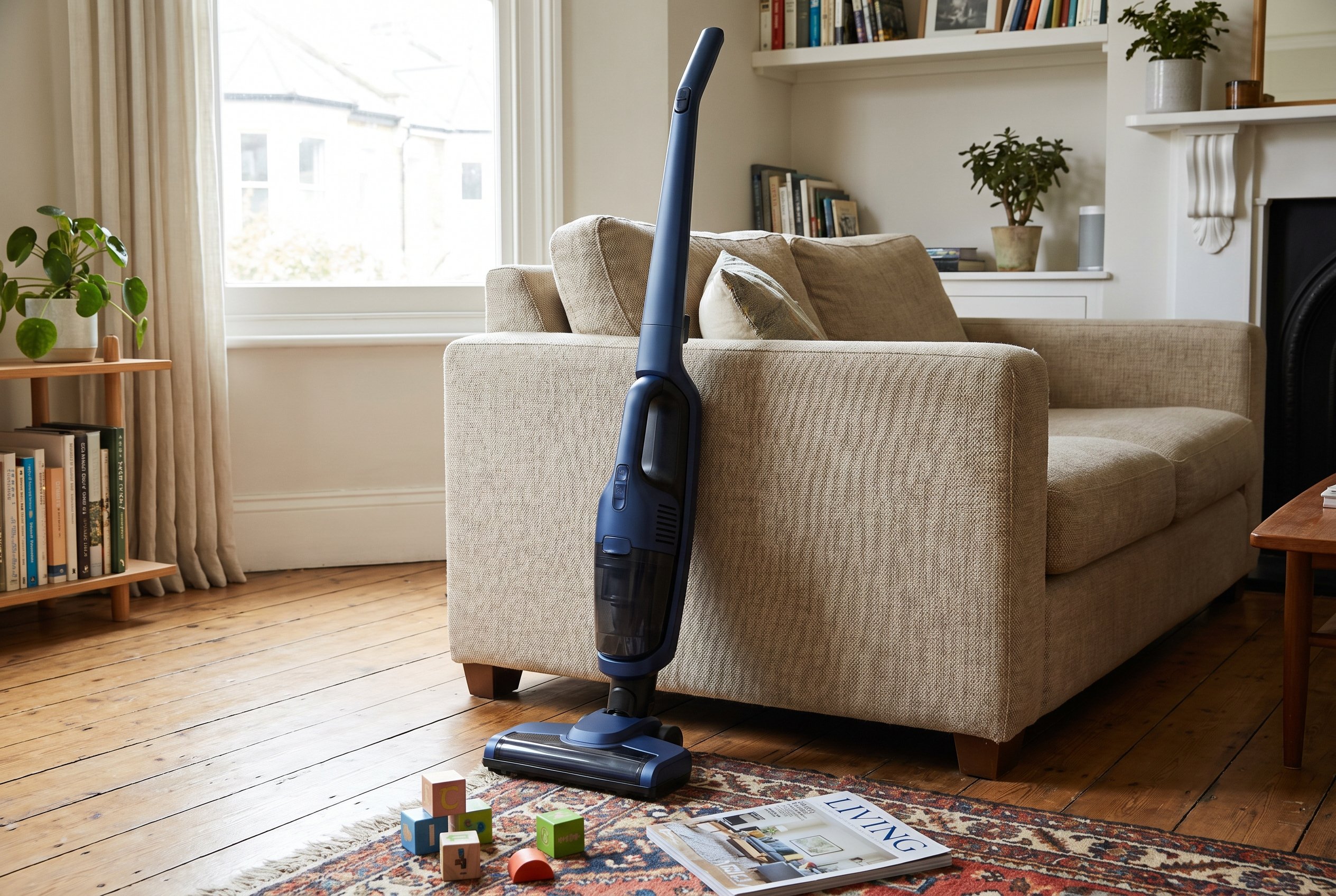
This one is a household name in vacuums. You'll find it at every big-box retailer in America. And to its credit, the suction was decent on hard floors.
But here's where it fell apart for me:
- It weighed 6.4 lbs — which doesn't sound like much until you're carrying it up stairs
- The pre-motor filter clogged after about 10 minutes of carpet work, and suction dropped noticeably
- Battery life on the medium setting was 22 minutes, not the "40 minutes" the box promised
- The dustbin was tiny — 0.5 liters — which meant emptying it constantly during a real clean
The kicker? When I checked Trustpilot, I found pages of people saying the warranty had a hidden requirement to replace the brushroll every three months — or the warranty voided. Three months. On a part that costs $40.
The Mid-Range Cordless ($179)
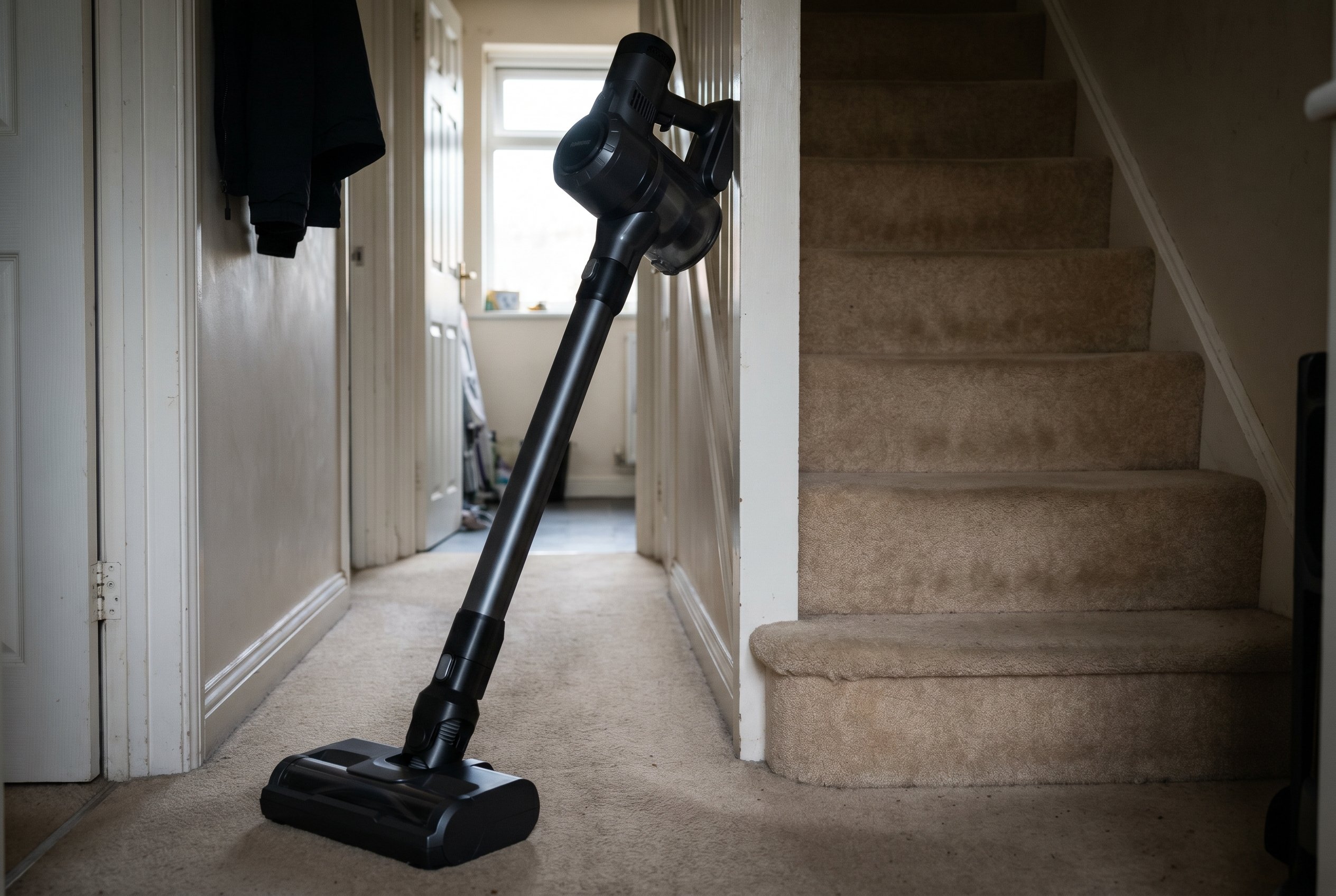
This is the one most people end up buying. It's marketed heavily on TV, has a strong brand reputation, and converts to a handheld.
It's also a tank.
At just under 8 lbs, this thing was the heaviest cordless I tested. My arm was shaking before I finished the living room. Cleaning the stairs with it felt like a CrossFit workout.
The cleaning performance? Actually good. Strong on carpet, decent on hardwood, the LED light was a nice touch.
But:
- The brushroll seized after 6 days. I had to pull out a fistful of hair just to get it spinning again.
- Customer service told me this was "normal" and "expected maintenance."
- Empty the dustbin? Half the dust came back out at me. Sealed system, my eye.
The "Premium" Brand ($699)
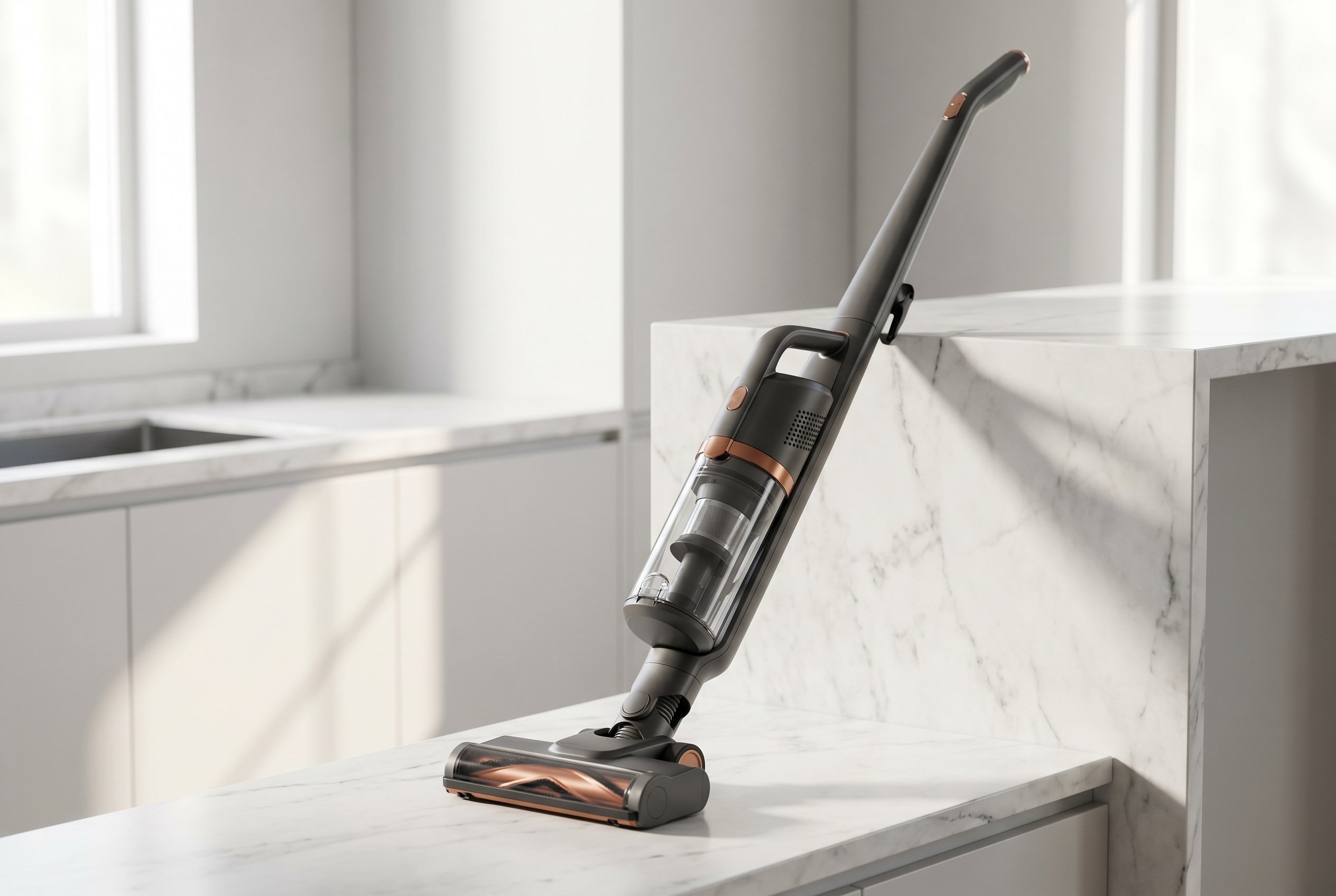
Yes, I went over $200 for this one. But I had to include it — because this was the vacuum I'd owned and lost. I borrowed my friend's newer model to retest, just to make sure I wasn't being unfair to it.
I wasn't.
The suction is, genuinely, the best on the market. There's a reason this brand built its empire. The laser light that shows you dust on hard floors? It's cool. It actually works.
But:
- Total weight: 6.8 lbs. And it's top-heavy, which makes it feel even worse during overhead use.
- You have to hold the trigger down constantly to keep it running. After 20 minutes, my hand was cramping. There's no lock-on switch.
- The battery degrades noticeably after 18 months. Multiple reviewers — and my own experience — confirm this. A replacement battery is over $100.
- The price: $699 at retail, sometimes $799 with the "good" attachments.
Look. The performance is real. The price is also real. And when this thing breaks — and it will break — you'll be on hold with customer service trying to figure out why the "premium" experience suddenly costs another $300 to fix.
The One I Actually Bought: Kolnar S3P ($129.99)

I'm going to be honest with you. When I ordered the Kolnar, I expected to be writing a "well, it's okay for the price" review.
That's not what happened.
Here are the specs, side by side with the $699 premium model:
I'll repeat that suction number, because I had to read it twice myself: 35 kPa vs 22 kPa. The Kolnar has more raw suction than the vacuum I paid $700 for.
It's also two and a half pounds lighter. My mom can lift it with one hand. My 7-year-old can use it on her own bedroom.
The first time I ran it, I did something stupid: I vacuumed the same hardwood floor I'd "just cleaned" with my old premium vacuum 20 minutes earlier. The Kolnar's dustbin filled with a visible layer of fine gray dust and dog hair.
That premium machine had been spitting half the dust back at me. For two years.
Things I genuinely don't love about the Kolnar, to be fair:
- It doesn't have a fancy laser light. The LED headlights work fine, but they're not the sci-fi green-laser show.
- The packaging is plain. This is a value brand, and they don't waste money on fancy unboxing.
- It's not a household name yet. You won't see celebrities posting about it on Instagram.
I'm okay with all of that. I bought a vacuum, not a status symbol.
What happened after 30 days

I've now been using the Kolnar for about a month, every day. Here's what's actually changed:
I vacuum more. A lot more. Because it's right there, in the hallway closet, lightweight enough to grab for a 5-minute cleanup instead of a 30-minute production. The kids spilled cereal at breakfast? Done in 90 seconds.
The whole-home charge is real. I cleaned my entire 1,400 sq ft apartment — kitchen, living room, three bedrooms, hallway, and the stairs — on a single charge. There was still battery left over.
The anti-tangle brush actually works. After a month with two shedding dogs, I have not pulled a single ball of hair out of the brushroll. With my old vacuum, that was a weekly ritual involving scissors.
A few real reviews from other owners that mirror my experience:
"My cordless vacuum picks up pet hair like a dream and the LED headlights show all the dust I was missing before. After six months of daily use, the suction is still powerful." — Natalia H., verified buyer
"As someone with three shedding dogs, I've been through countless vacuums that claimed to handle pet hair but failed miserably. This one actually lives up to the hype." — Karen W., verified buyer
"This has made cleaning so much less physically demanding on my back and wrists." — Julie C., verified buyer
The bottom line
Look — I'm not here to tell you that big-name vacuum brands are scams. They're not. They make genuinely powerful machines.
What I'm telling you is what I learned the hard way: you're paying for the marketing. You're paying for the celebrity endorsements. You're paying for the box on the shelf at Best Buy.
The actual engineering — the motor, the battery, the suction — can be delivered for a fraction of the price by a smaller brand that doesn't burn millions on Super Bowl ads.
The Kolnar S3P is what I bought. It's what I'd recommend to my mom, my sister, and you. At $129.99 with free shipping, a 30-day return policy, and a brand that actually answers their emails, there's no risk to trying it.
If it doesn't work for you, send it back.
If it does — congratulations, you just saved $570 and an arm-cramp.

6 Comments